17 May 2026
Oklahoma Enacts Statewide Ban on Sweepstakes Casinos After Legislative Override
 Oklahoma lawmakers overrode Gov. Kevin Stitt’s veto of Senate Bill 1589 during the final days of the 2026 legislative session, and this action put a statewide ban on sweepstakes-style online casino gaming plus dual-currency platforms into law. The Senate approved the override by a 34-10 margin while the House followed with a 68-19 vote, and the new restrictions take effect on November 1, 2026. Under the measure operators, suppliers, and promoters now face felony penalties for violations, although tribal gaming conducted under the Indian Gaming Regulatory Act remains exempt from the prohibitions.
Details of the Legislative Action and Bill Provisions
The override process unfolded quickly once both chambers reconvened after the governor’s rejection, and legislators moved to secure the necessary supermajorities in each house. Senate Bill 1589 targets sweepstakes casinos that rely on dual-currency models where players purchase virtual coins yet receive additional sweepstakes entries that can be redeemed for prizes, and these platforms have grown rapidly across the state in recent years. The legislation defines the prohibited activities clearly, imposes criminal sanctions on those who facilitate or promote such operations, and sets November 1, 2026, as the date when enforcement begins.
Observers note that the final vote tallies reflect broad bipartisan support, with the Senate clearing the two-thirds threshold by six votes and the House surpassing it by a wider margin. Lawmakers incorporated language that preserves tribal sovereignty, ensuring that gaming conducted on Indian lands pursuant to the Indian Gaming Regulatory Act continues without interference from the new state restrictions. This exemption aligns with existing federal frameworks that govern tribal gaming compacts already in place across Oklahoma.
Background on Prior Legalization Efforts and Market Context
Attempts to establish regulated sports betting in Oklahoma had stalled in previous sessions, and the failure of those measures left a regulatory gap that unregulated sweepstakes platforms quickly filled. Those platforms operated in a gray area by offering casino-style games through sweepstakes mechanics, and state officials expressed concerns that the offerings competed directly with licensed tribal casinos. Data from industry tracking services shows increased player traffic to these sites during 2025, prompting legislators to advance Senate Bill 1589 as a response.
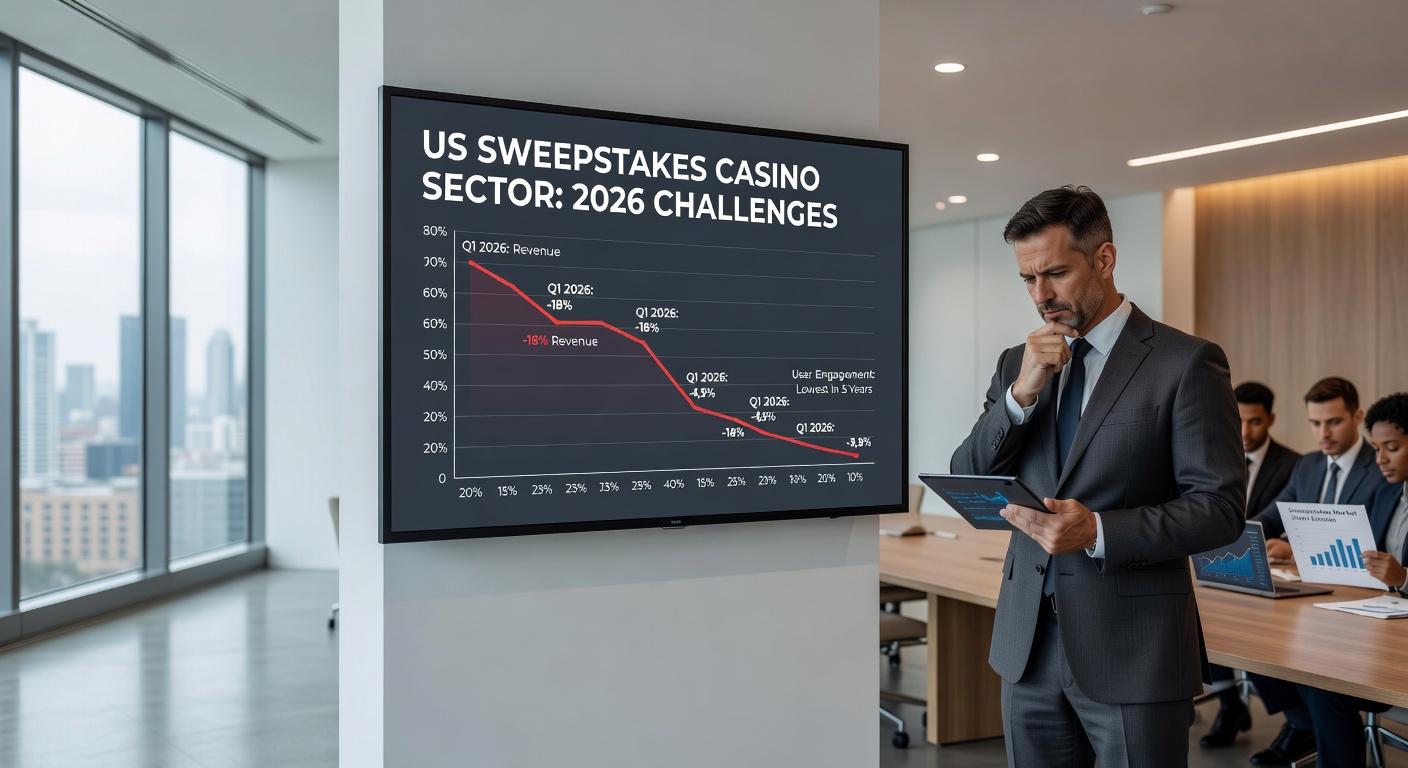
Proponents of the ban argued that the sweepstakes model undermined the state’s existing gaming structure, while tribal operators maintained that the platforms diverted revenue from facilities operating under approved compacts. The override therefore closed what legislators described as an enforcement loophole, and it positioned Oklahoma alongside other states that have moved to restrict similar dual-currency offerings. Because the measure applies only to non-tribal operators, suppliers, and promoters, enforcement resources can focus on offshore and land-based entities that target Oklahoma residents.
Penalties, Enforcement Timeline, and Immediate Effects
Once the law becomes active on November 1, 2026, individuals or companies found operating prohibited sweepstakes platforms face felony charges that carry potential prison time and fines, and the statute also covers those who supply software or promote the services to state residents. State agencies responsible for gaming regulation have begun preparing guidance documents, and early indications suggest coordination with federal authorities to identify and block access to non-compliant sites. Observers have pointed out that the timeline allows current operators a window to wind down operations or transition to legal alternatives before penalties apply.
Legal analysts note that the exemption for tribal gaming avoids constitutional challenges that could arise from attempts to regulate sovereign Indian nations, and this carve-out preserves the revenue streams that tribes have developed through brick-and-mortar casinos and approved online offerings. The measure therefore distinguishes between unregulated sweepstakes models and the structured framework already authorized under tribal-state compacts, and it leaves room for future negotiations if additional forms of gaming are considered.
Conclusion
The override of Gov. Stitt’s veto and the subsequent enactment of Senate Bill 1589 mark a decisive step by Oklahoma lawmakers to regulate sweepstakes-style online gaming, and the provisions take full effect on November 1, 2026. With felony penalties in place for non-tribal operators and clear protections retained for gaming conducted under the Indian Gaming Regulatory Act, the law establishes new boundaries that reshape the state’s digital gaming landscape. Those monitoring developments can follow updates through official legislative records and state regulatory announcements as enforcement preparations continue through the remainder of 2026.