7 Jul 2026
Mapping Digital Payment Influences on Strategy Development Within Complimentary Smartphone Card Games
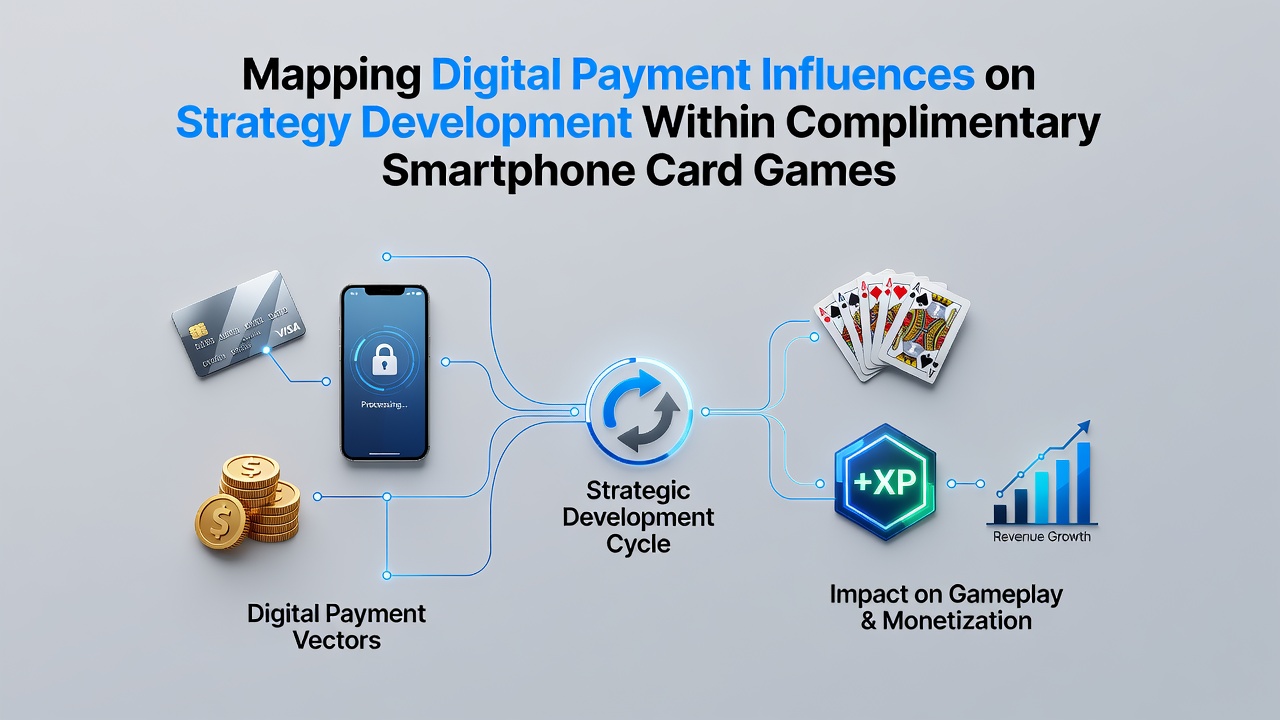
Digital payment systems continue to reshape how players approach strategy in complimentary smartphone card games where users access poker, rummy, and similar titles without initial cost yet encounter in-app transaction points. Observers note that payment friction or ease directly alters timing of resource allocation decisions while sessions unfold on mobile devices, and data from mid-2026 shows increased integration of instant transfer methods coinciding with shifts in average session lengths across major app platforms.
Payment Integration Patterns in Free Card Environments
Complimentary card games on smartphones often embed digital wallets such as Apple Pay or regional equivalents that allow seamless addition of virtual currency after players exhaust starting chips or tokens. Researchers at academic institutions have tracked these integrations since 2024, and findings indicate that reduced transaction steps lead participants to experiment with higher-risk moves earlier in rounds because replenishment feels immediate rather than delayed. Those who monitor app analytics report that July 2026 saw a measurable uptick in micro-transaction volumes following updates from several operating systems that streamlined authentication for recurring users.
Payment method choice also correlates with different tactical adjustments. Players relying on carrier billing tend to space out their expenditures more deliberately than those using stored-value cards, since billing cycles introduce natural pauses that encourage reevaluation of current hand strength or opponent patterns. Industry reports highlight that these pauses create opportunities for strategic resets whereas instant wallet deductions compress decision windows and push users toward reactive rather than calculated plays.
Behavioral Data and Decision Timing Shifts
Analytics platforms collecting anonymized usage metrics reveal clear divergences in play style once payment options expand. In one dataset covering North American markets, users who activated digital wallet links within the first week of installation recorded 18 percent more aggressive betting sequences compared with those who delayed or avoided transactions entirely. European regulatory filings from gaming oversight bodies echo similar patterns while noting that localized payment preferences such as bank transfers versus contactless options further segment user cohorts by risk tolerance.
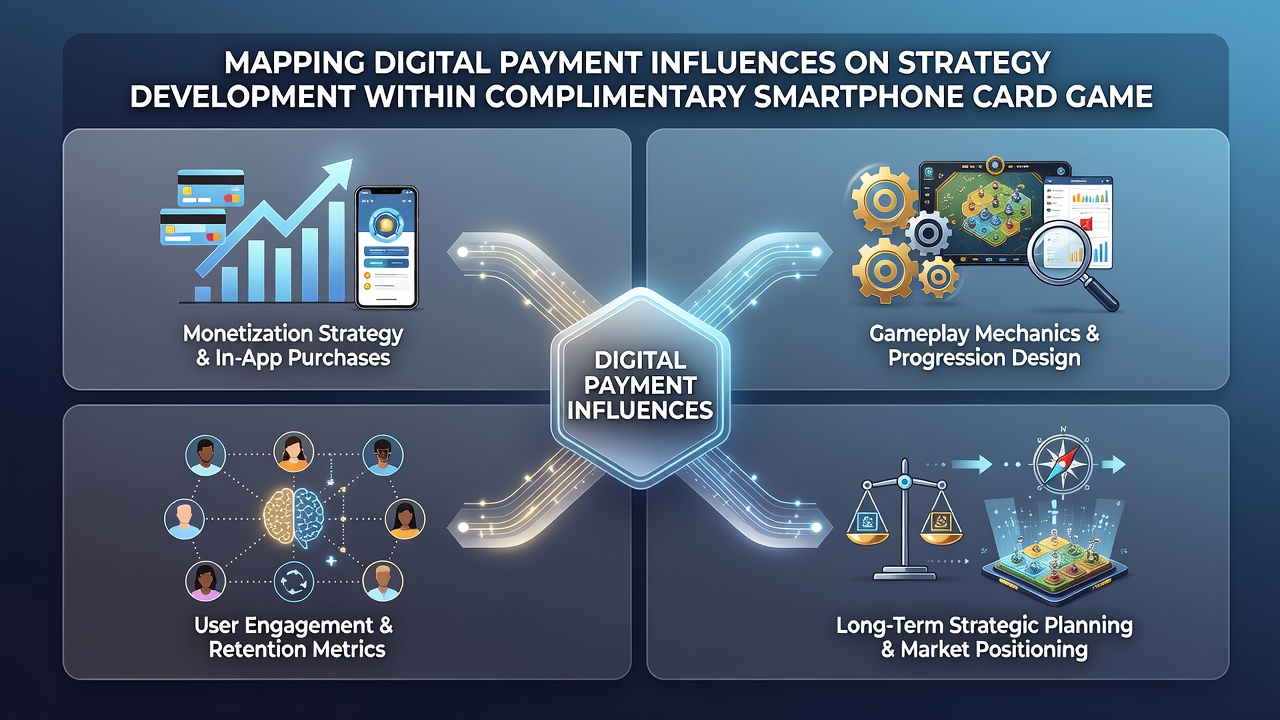
What's notable is how these payment pathways influence long-term progression planning rather than isolated hands. Participants who budget through scheduled direct debits often adopt conservative holding strategies to stretch complimentary resources, whereas those favoring one-click top-ups display greater willingness to chase draws because recovery costs appear lower in the moment. A 2025 analysis from the Interactive Games and Entertainment Association documented these budgeting divergences across Australian and Asian app stores, and follow-up observations in 2026 confirmed the trends persisted even after several platforms introduced spending caps.
Regional Variations and Platform Adaptations
Payment ecosystems differ sharply by geography, which in turn molds strategic cultures within the same game titles. North American users encounter more frequent prompts tied to credit and debit networks, while users in parts of Asia more commonly interact with super-app integrations that bundle gaming transactions with everyday purchases. Observers tracking these differences note that the latter group develops broader resource management habits because payment events feel embedded in daily routines rather than isolated gaming actions.
Game developers respond by adjusting in-app economies to match dominant payment rails. When a platform updates its digital wallet compatibility, designers frequently recalibrate reward schedules so that strategy remains engaging regardless of how quickly users can restore balances. Figures released in July 2026 by several analytics firms indicated that such recalibrations coincided with stabilized retention rates even as average transaction values fluctuated with broader economic conditions.
Future Trajectories for Payment-Strategy Mapping
Continued rollout of newer authentication standards promises further compression of payment steps, and early indicators suggest corresponding acceleration in strategic experimentation within complimentary card titles. Cross-border payment rails now appearing in select regions add another variable, allowing users to compare costs across currencies and potentially favoring lower-friction options that alter how they value in-game assets over time.
Those studying these intersections emphasize that payment infrastructure serves as an invisible scaffold shaping visible gameplay choices. As more complimentary smartphone card games adopt advanced digital payment layers, the mapping between transaction mechanics and strategic development grows more intricate, with data patterns continuing to evolve alongside technological and regulatory changes.
Conclusion
Digital payment methods exert measurable influence on how participants formulate and execute strategies inside complimentary smartphone card games. From timing of resource replenishment to regional differences in payment preferences, each element contributes to distinct behavioral signatures that researchers continue to document. July 2026 data underscores the ongoing nature of these interactions, and further platform updates will likely extend the complexity of this relationship in coming periods.