23 Jun 2026
E-Wallet Preferences Reshaping Bet Sizing Approaches in Bonus-Enabled Live Card Games
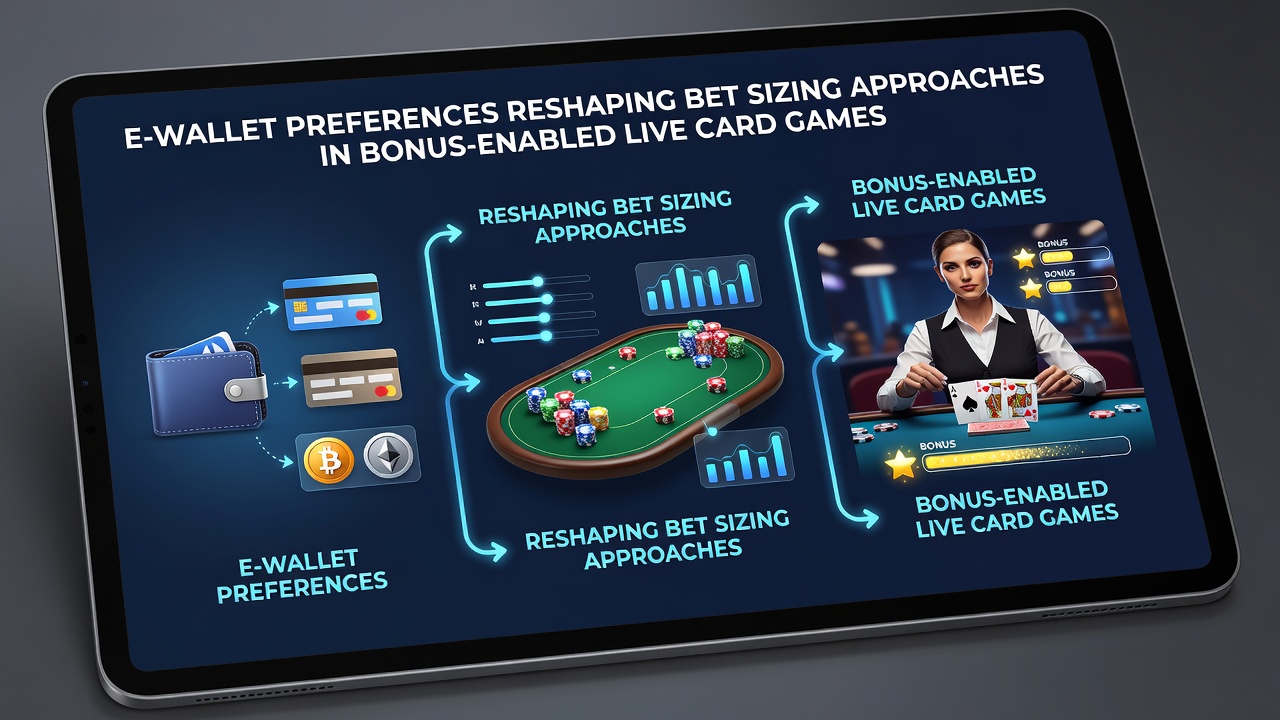
Digital payment methods continue to influence how players approach wagering in live dealer environments that feature promotional offers, and data collected through mid-2026 points to measurable shifts in bet sizing patterns tied directly to e-wallet adoption rates.
Payment Speed and Session Flow in Live Dealer Settings
Live card games require quick decisions during active rounds, and e-wallets that settle transactions in seconds allow participants to adjust stakes between hands without the delays once common with bank transfers or card processors. Research from the Canadian Gaming Association indicates that sessions using instant funding tools recorded average bet changes occurring 2.4 times more frequently than those relying on traditional methods during comparable time windows in early 2026.
Bonus structures often impose playthrough conditions calculated on total wagered amounts, which means players can respond to table conditions by scaling bets upward or downward as remaining requirements decrease. Platforms report that users funding accounts through e-wallets maintained higher consistency in meeting those thresholds within single sessions, particularly when live blackjack rules permitted mid-round strategy adjustments.
Observed Patterns Across Bonus-Enabled Tables
Figures released in June 2026 by the Nevada Gaming Control Board showed that e-wallet deposits accounted for 47 percent of activity in monitored live dealer card rooms, up from 31 percent the previous year. Those same records noted corresponding increases in the frequency of bet sizing modifications during promotional play periods, especially when players tracked bonus progress through integrated account dashboards.
One documented case involved a series of European operators where participants using mobile e-wallet apps altered wagers after each completed hand once the remaining wagering target fell below a set percentage. This approach differed from earlier patterns that relied on fixed bet levels until bonus completion, and the change aligned with the availability of real-time balance updates provided by the payment services.
Regulatory Context and Market Data from Multiple Regions
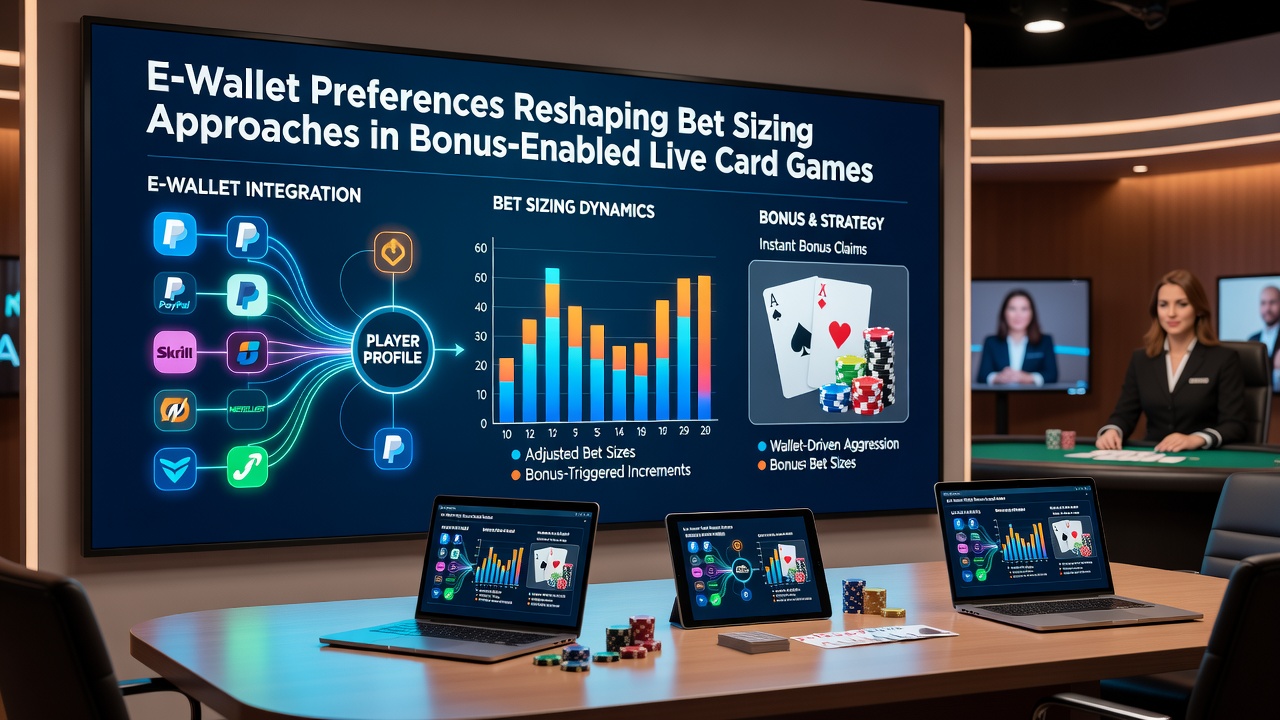
Australian regulatory filings compiled by state authorities in New South Wales and Victoria through the first half of 2026 recorded similar movement toward instant payment options in online live game segments. Those filings linked the trend to reduced average session lengths when players could reload balances without leaving the gaming interface, which in turn affected how bonus-related wagering targets were distributed across fewer but more precisely sized bets.
Industry reports from the European Gaming and Betting Association have tracked parallel developments, noting that operators integrating direct e-wallet APIs observed tighter clustering of bet amounts around thresholds that maximized bonus clearance efficiency. The data covers markets where live card games operate under bonus frameworks that calculate contributions differently based on game type and stake level.
Technical Integration and Player Interface Adjustments
Software updates deployed across multiple platforms in spring 2026 incorporated e-wallet balance displays directly within live dealer lobbies, allowing participants to view available funds alongside current bonus progress without switching screens. Observers at several testing facilities noted that this visibility correlated with more granular bet sizing during the final stages of promotional playthroughs, when remaining requirements could be met with calculated increases rather than uniform wagers.
Transaction logs analyzed by payment processors indicate that e-wallet users initiated deposits at moments when table minimums or maximums aligned with their remaining bonus obligations, a behavior less frequently documented in sessions funded through slower channels. These patterns emerged consistently across both desktop and mobile live card environments where bonus offers applied to blackjack and similar table games.
Conclusion
Market statistics gathered through June 2026 demonstrate that e-wallet preferences have coincided with measurable changes in bet sizing frequency and distribution within bonus-enabled live card games. Regulatory data from North American and Australian sources, along with association reports covering European operations, document increased responsiveness to in-session conditions when instant funding tools remain available. These developments continue to shape how wagering requirements interact with real-time decision points at live dealer tables.