Connecting Funding Source Variations to Pacing Adjustments in Complimentary Portable Card Simulations
Sam Hoffmann · Aug 25, 2026

Connecting Funding Source Variations to Pacing Adjustments in Complimentary Portable Card Simulations
Data from August 2026 shows that complimentary portable card simulations continue to draw millions of users who engage through varied funding mechanisms such as daily login rewards, advertisement credits, and optional in-app purchases. Researchers tracking these platforms note distinct patterns where the origin of virtual funds correlates with measurable shifts in how players adjust their session pacing, including bet frequency, decision intervals, and overall round completion rates. Observers at several analytics firms report that users receiving funds primarily through time-gated bonuses tend to extend sessions while those accessing purchased credits often compress their activity into shorter, more intense bursts.
Funding Mechanisms in Free Card Environments
Complimentary simulations distribute resources through multiple channels that each carry different constraints. Daily bonuses arrive at fixed intervals and often include expiration timers, whereas advertisement-based credits require active participation in short video views before becoming available. In-app purchases deliver immediate balances without waiting periods yet tie to real currency transactions. Studies conducted by the Canadian Gaming Association indicate that these distinctions produce measurable differences in user behavior logs, particularly around the timing of bet placements and the length of pauses between hands. Players funded through ad credits, for example, frequently intersperse longer intervals between decisions as they wait for new credits to generate, while purchased-fund users maintain steadier rhythms because their balances lack external timers.
Pacing Adjustments and Decision Timelines
Pacing in these environments encompasses the speed at which participants place wagers, review cards, and commit to actions such as hitting or standing. Data collected across multiple platforms during the first half of 2026 reveals that funding source directly influences these timelines. When balances stem from limited daily grants, many users slow their pace to maximize the number of rounds completed before credits deplete. Conversely, participants who supplement through purchases often accelerate decisions, completing rounds at rates up to 25 percent higher according to aggregated telemetry from simulation providers. This acceleration occurs because purchased credits carry no artificial scarcity signals, allowing players to treat each round as part of a continuous flow rather than a rationed sequence.
Observed Correlations in User Behavior
Analysts examining session data have identified several recurring connections. Funding received through social media challenges or referral programs tends to produce erratic pacing, with bursts of rapid play followed by extended idle periods as users await friend contributions. In contrast, steady streams from loyalty programs correlate with consistent bet sizing and minimal variation in decision speed. A report issued by the Interactive Games and Entertainment Association highlights that August 2026 platform updates, which introduced more granular funding categorization, made these patterns easier to track across device types. Users on tablets, for instance, showed greater sensitivity to funding timers than smartphone users, often extending pauses when bonus credits approached expiration.
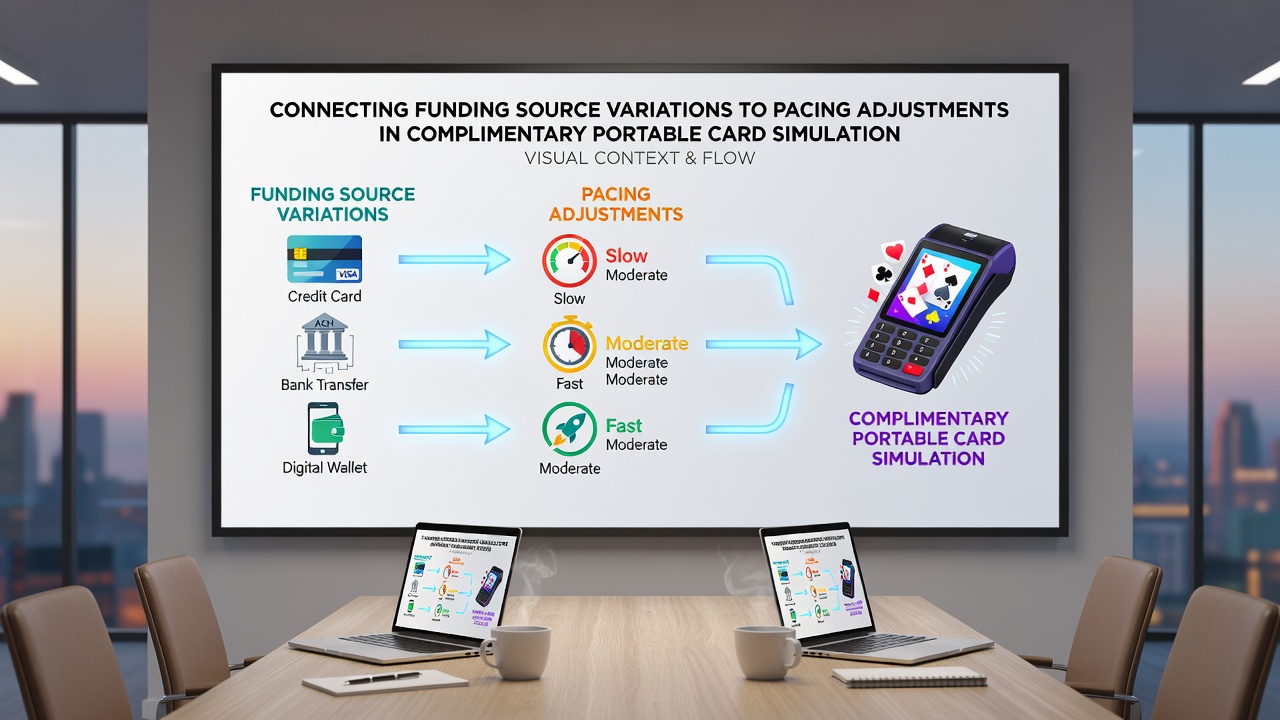
One study of over 50,000 sessions found that players whose primary funding came from in-app purchases adjusted bet sizes more frequently within a single session, shifting between minimum and maximum wagers at intervals averaging 3.2 hands. Those relying on advertisement credits adjusted less often, maintaining the same wager across longer stretches while waiting for new credits. These differences persist across demographic groups, although the magnitude varies by region and platform age rating.
Platform Design Influences on Pacing
Simulation developers have begun embedding funding indicators directly into interface elements that affect pacing. Progress bars for upcoming bonuses appear alongside bet sliders, while purchase prompts surface during natural pauses between rounds. Evidence from multiple providers demonstrates that these design choices amplify the underlying funding-to-pacing relationship. When bonus timers display prominently, users extend decision times by an average of 4 seconds per hand, allowing the system to deliver new credits mid-session. Platforms that hide timers until after a round completes see faster average pacing regardless of funding source.
Regional Data Patterns
North American platforms recorded higher volumes of purchased credits during summer months leading into August 2026, correlating with tighter pacing distributions in those markets. European operators reported stronger reliance on advertisement funding, producing wider variance in session lengths and more frequent mid-session breaks. Australian data sets showed elevated use of referral credits, which introduced additional pacing fluctuations tied to social interaction timing rather than internal game mechanics. These geographic distinctions appear in telemetry shared among industry groups and help developers calibrate pacing algorithms for different user bases.
Conclusion
Funding source variations continue to map onto pacing adjustments across complimentary portable card simulations in measurable ways. Session logs from 2026 illustrate that the origin and constraints of virtual credits shape decision speed, bet frequency, and overall session structure. Developers and researchers tracking these environments note that interface elements and regional usage patterns further modulate the relationship. As platforms refine funding categorization and telemetry collection, the connections between resource acquisition methods and player pacing remain a central area of observation for those studying free card simulation ecosystems.