Bet Sizing Dynamics Linked to Wallet Confirmation Timelines in Mobile Card Applications
Sam Hoffmann · Aug 18, 2026
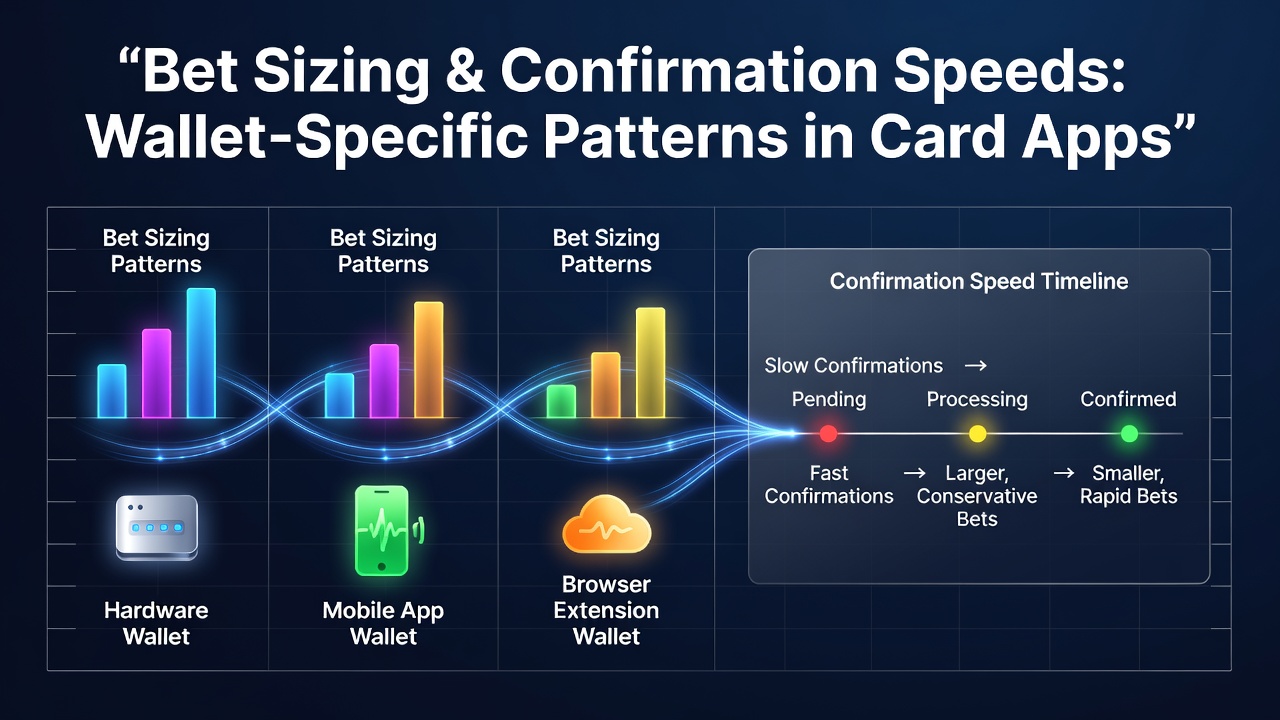
Bet Sizing Dynamics Linked to Wallet Confirmation Timelines in Mobile Card Applications
Data from multiple platform analyses indicate that bet sizing in app-based card sessions often aligns closely with the confirmation speeds of various digital wallet types, and observers note distinct patterns emerging across e-wallet categories during peak usage periods in August 2026. Researchers tracking user behavior across smartphone card environments have documented how instant-confirmation options like certain digital payment services prompt larger initial wagers, while slower bank-linked transfers correlate with more conservative sizing adjustments throughout extended sessions.
Wallet Categories and Their Typical Confirmation Profiles
Traditional e-wallets such as those integrated with major payment processors frequently achieve confirmation within seconds, and this speed allows players to scale bets upward without interruption in live card sequences. In contrast, cryptocurrency wallets exhibit variable timelines that depend on network congestion, whereas standard bank transfer methods tied to mobile apps often require several minutes for verification, which data shows leads to smaller starting stakes as users wait for funds to clear. Studies compiled by the Australian Interactive Gambling Council reveal that these differences create measurable clusters in wager amounts, with faster wallets supporting aggressive sizing early in sessions and delayed options encouraging gradual increases only after confirmation arrives.
Observed Patterns in App-Based Card Environments
Analyses of session logs from various card applications demonstrate that users relying on high-speed wallets adjust bet sizes more dynamically during rounds, and this flexibility stems directly from reduced wait times between deposit and play authorization. Slower confirmation wallets, however, produce steadier but smaller bet increments, as participants appear to factor in the processing delay when deciding stake levels. One examination of cross-wallet data from European mobile gaming platforms found that average bet values rose by measurable margins when confirmation occurred under ten seconds, while delays exceeding two minutes coincided with restrained sizing throughout the same card sessions.
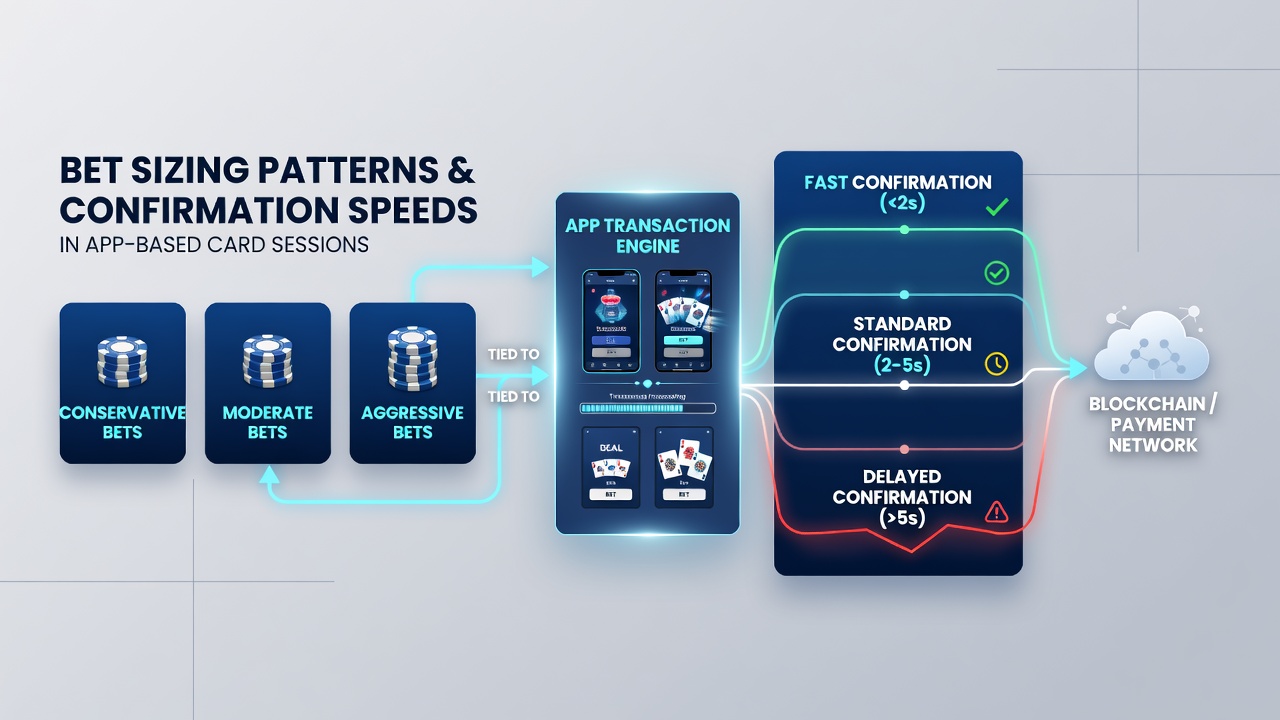
What's notable here is how these patterns hold steady across different device types and operating systems, suggesting the confirmation speed itself serves as the primary driver rather than app-specific features. Gaming research from the University of Nevada's International Gaming Institute supports this view through aggregated transaction records that separate wallet classes and track resulting wager behaviors in real time.
Regional Data Points from August 2026 Monitoring
Figures released in August 2026 by North American gaming oversight bodies show elevated activity in wallet-driven card apps, and these reports highlight how confirmation variances influenced bet distribution during that month's high-traffic periods. Users of instant wallets placed proportionally larger bets in the opening phases of sessions, while those dependent on multi-minute verifications maintained lower averages until funds fully processed. Canadian regulatory summaries echo similar trends, indicating that wallet speed continues to shape strategic adjustments even in free-access or bonus-linked card simulations where real-money elements remain limited.
Industry associations such as the European Gaming and Betting Association have compiled comparable datasets that connect wallet performance metrics directly to observed sizing habits, and these collections emphasize the consistency of the relationship across markets. Observers note that players often recalibrate mid-session when switching between wallet options, demonstrating an adaptive response tied specifically to the time elapsed between transaction initiation and approval.
Implications for Platform Design and User Behavior
Platform operators have responded to these documented patterns by optimizing wallet integrations that prioritize faster confirmations, and this shift appears in updated app versions released around mid-2026. Data indicates sustained differences persist regardless of promotional structures, as bet sizing remains anchored to the underlying transaction timelines rather than external incentives. Those who have reviewed extensive session archives point out that the effect spans both casual and frequent participants, creating predictable clusters based solely on the wallet category selected at deposit.
Conclusion
Overall, the linkage between transaction confirmation speeds and bet sizing in app-based card sessions reflects consistent, data-backed patterns that vary systematically across wallet types. Continued monitoring from regional authorities and research institutions will likely refine these observations further as mobile card environments evolve.