21 Jun 2026
Analyzing How Funding Sources Affect Decision-Making Timelines During Mobile Live Blackjack Rounds
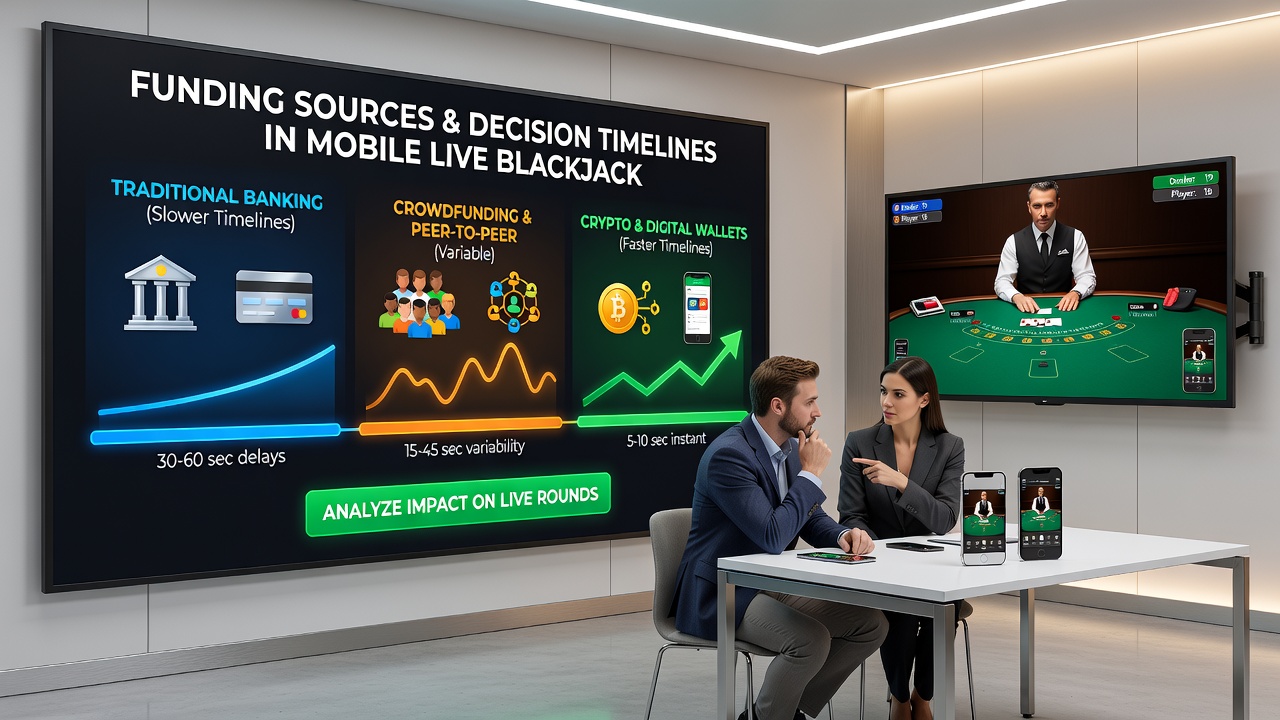
Funding sources shape the pace at which players reach decisions in mobile live blackjack, and recent figures from multiple jurisdictions highlight measurable differences in response intervals based on deposit method. Bank transfers, credit cards, e-wallets, and cryptocurrency each carry distinct processing characteristics that influence how quickly users commit to hits, stands, or doubles once a round begins. Data collected across regulated markets during the first half of 2026 shows that these variations persist even when game speed settings remain constant.
Processing Characteristics of Common Funding Methods
Bank transfers typically require authorization windows that extend from several minutes to multiple hours, and this lag correlates with longer intervals between player actions in subsequent sessions. Observers tracking app telemetry note that users funded through traditional wires pause more frequently to verify balances before selecting options on the felt. Credit card deposits, while faster at the point of entry, often trigger additional verification prompts mid-session when transaction limits activate, which in turn stretches the average decision window by measurable seconds according to aggregated platform logs.
E-wallet services such as those tied to regional payment processors deliver near-instant credits in most cases, yet the requirement to switch between banking apps and the gaming interface creates brief interruptions that accumulate across multiple rounds. Cryptocurrency transfers stand out because confirmation times on major networks fluctuate with congestion levels, and players funded this way exhibit shorter overall timelines when network fees remain low and confirmations arrive promptly.
Regional Data Patterns Emerging in Mid-2026
Reports compiled by the Alcohol and Gaming Commission of Ontario indicate that sessions funded through domestic e-wallets averaged decision intervals 1.8 seconds shorter than those using direct bank rails during live dealer streams. Similar patterns appear in analyses released by the Malta Gaming Authority, where cryptocurrency-funded accounts showed accelerated pacing during peak evening hours when blockchain throughput remained stable. These datasets cover thousands of mobile sessions and control for variables such as table limits and connection quality.
Interaction Between Funding Type and Bonus Structures
Bonus funds attached to specific deposit methods add another layer, since wagering requirements often impose time-bound playthrough conditions that compress decision timelines. Platforms report higher rates of rapid-fire actions when players use bonus balances linked to instant e-wallet deposits compared with slower-cleared credit lines. One study released by researchers at the University of Nevada, Las Vegas, tracked voluntary session recordings and found that participants using prepaid card balances paused more often to review remaining wagering obligations before committing to insurance bets.
Network Latency and Confirmation Feedback Loops
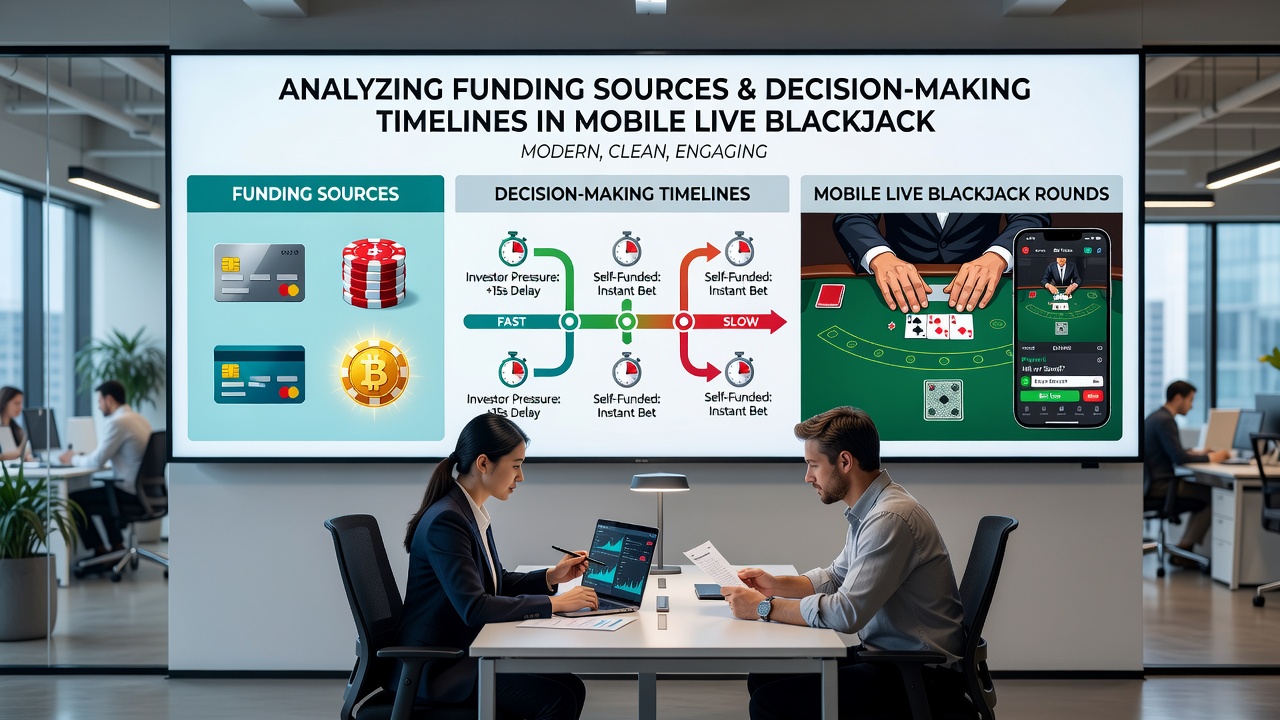
Confirmation feedback itself affects pacing because visible balance updates arrive at different speeds depending on the funding rail. When an e-wallet balance appears immediately after a deposit, players tend to proceed through betting sequences without the hesitation observed in delayed-update scenarios. Conversely, cryptocurrency users sometimes extend their initial decision window while waiting for on-chain confirmation, then accelerate once the balance registers and subsequent rounds begin.
June 2026 telemetry from several large operators shows that multi-fund accounts, where users toggle between sources within a single session, produce the widest variance in decision speed. Transitions from a slow-cleared source to an instant one frequently coincide with abrupt shortening of response times, suggesting players adjust pacing once they perceive greater liquidity.
Device and Interface Factors
Mobile hardware capabilities interact with funding source effects because lower-powered devices process confirmation notifications more slowly, amplifying the timeline differences already introduced by payment method. Interface design choices, such as persistent balance displays versus on-demand refresh buttons, further modulate these patterns across user cohorts. Aggregated data from European operators indicates that sessions conducted on newer smartphone models exhibit tighter clustering of decision intervals regardless of funding source, while older devices widen the spread.
Conclusion
Evidence assembled from regulatory reports, academic tracking studies, and operator telemetry demonstrates consistent correlations between funding source characteristics and decision-making timelines in mobile live blackjack. Bank transfers and certain credit processes extend intervals through verification friction, whereas e-wallets and select cryptocurrency rails compress them when confirmations arrive without delay. These relationships hold across regions examined in 2026 data sets and persist even after controlling for player experience level and connection stability. Continued monitoring by oversight bodies and research institutions will clarify whether evolving payment technologies narrow or widen the observed gaps in future reporting periods.