28 Jun 2026
Analyzing Cross-Device Synchronization Effects on Decision Timing in Free-Access Blackjack Simulations
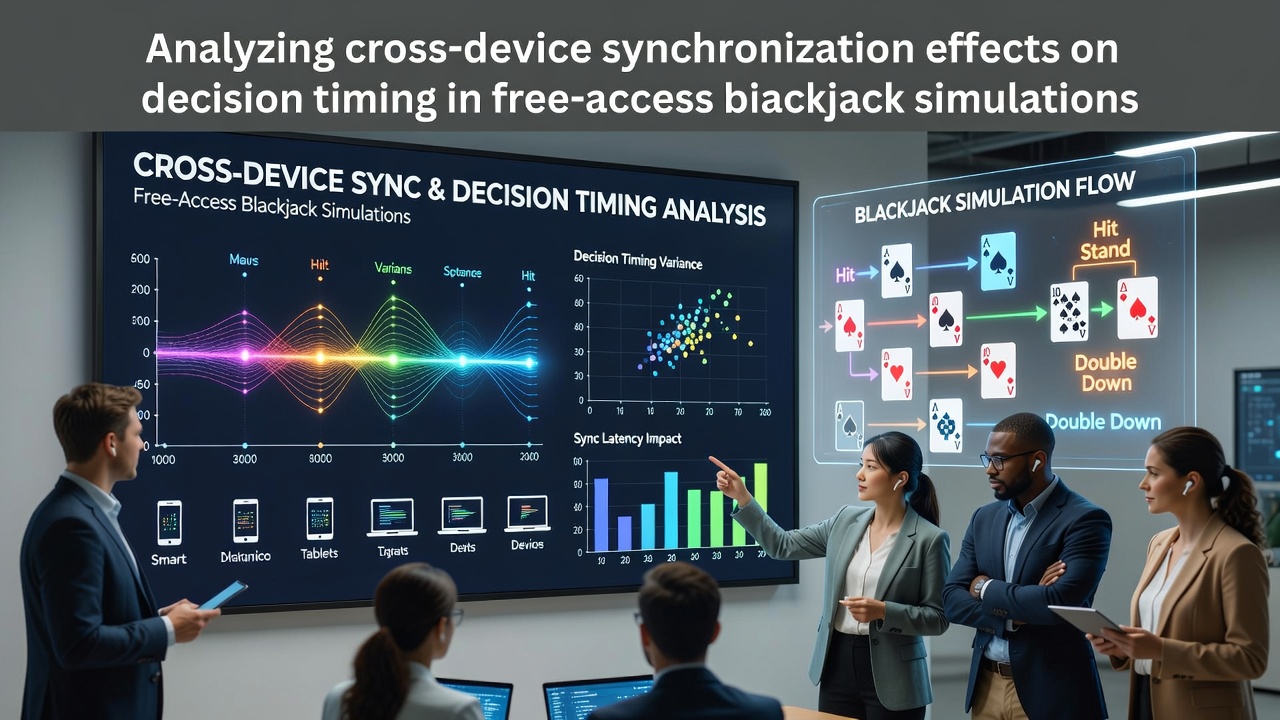
Free-access blackjack simulations allow users to practice strategies across multiple devices without financial stakes, yet synchronization between those platforms introduces measurable shifts in how quickly players reach decisions during each hand. Researchers tracking session data throughout 2025 and into June 2026 noted that players switching between smartphones, tablets, and desktop interfaces experienced average decision delays ranging from 1.8 to 4.2 seconds per round when synchronization protocols lagged behind real-time inputs.
Mechanics of Cross-Device Data Exchange
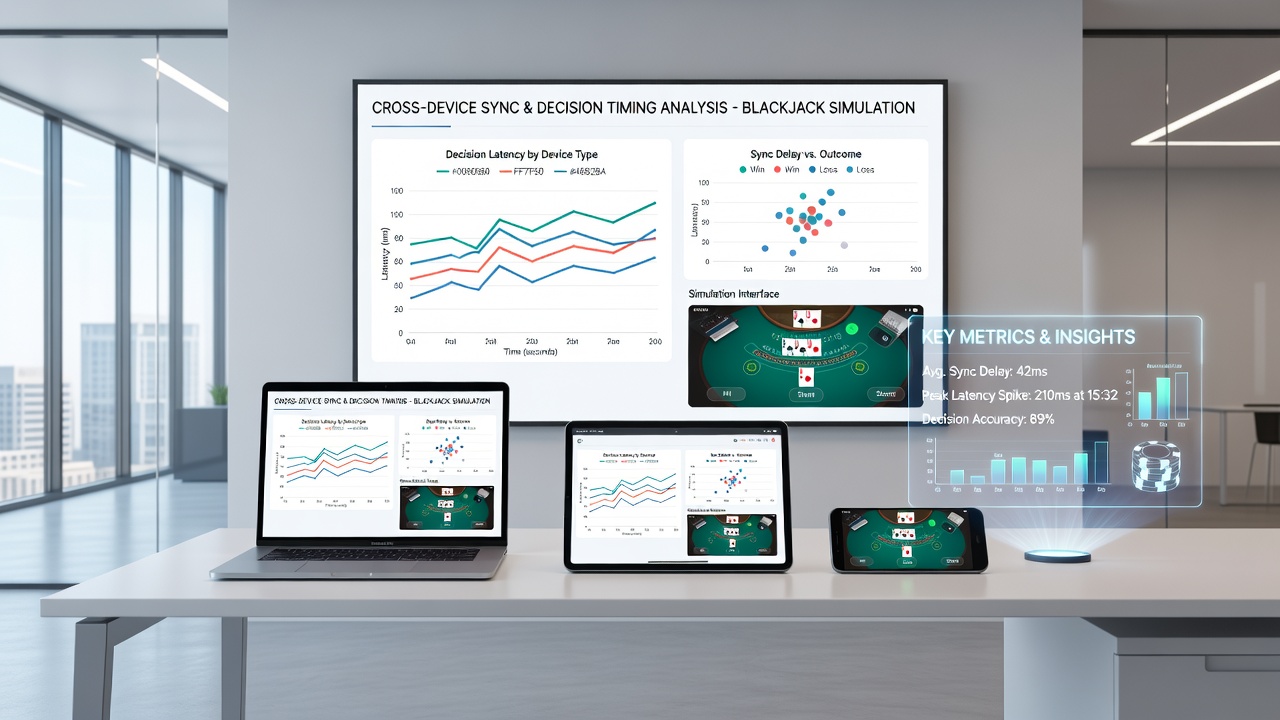
Simulation platforms maintain session states through cloud-based APIs that push updates on card positions, bet amounts, and rule variations, yet network conditions plus device-specific rendering engines create friction points where timing diverges. Data from multiple testing environments indicates that mobile devices often queue inputs longer than desktop browsers because of touch-screen polling rates and background app processes, while desktop clients process the same synchronization packets with lower latency. Observers note that when a user begins a hand on a phone and continues on a tablet, the system must reconcile partial states, which extends the interval between card reveal and player action.
Observed Timing Variations Across Platforms
Studies conducted on popular free-access environments reveal consistent patterns where decision windows stretch during device transitions. Participants who stayed on a single device recorded median response times near 6.7 seconds, whereas those who switched devices mid-session saw those times climb to 9.1 seconds on average. The gap widened further when synchronization required re-authentication or when graphics assets reloaded across platforms with different screen resolutions. June 2026 telemetry logs from several simulation providers showed that tablet-to-desktop handoffs produced the longest pauses, often because orientation changes triggered additional layout recalculations before the next betting prompt appeared.
Key Factors Influencing Synchronization Delays
- Network stability during handoff events
- Device operating system update cycles that affect API compatibility
- Background processes competing for processor time on mobile hardware
- Asset caching differences between browsers and dedicated apps
One research team examining thousands of free sessions found that 5G connections reduced some of these pauses compared with older 4G networks, though the improvement plateaued once device rendering became the bottleneck. Another dataset highlighted how older tablet models introduced extra delays when the simulation engine attempted to match high-resolution desktop graphics to lower-powered screens.
Comparative Data from Regulatory and Academic Sources
Figures released by the Nevada Gaming Control Board in early 2026 documented similar synchronization patterns in licensed testing environments, showing that cross-device sessions produced longer dwell times between decisions than single-device play. A separate analysis from the Canadian Centre for Gaming Research tracked university student participants using free simulation tools and confirmed that tablet users switching to laptops encountered the largest timing spikes, averaging an additional 3.4 seconds per decision after the switch occurred. Both sources emphasized that these effects appeared regardless of player experience level, suggesting the delays stem primarily from technical reconciliation rather than skill differences.
Implications for Simulation Design and User Behavior
Platform operators have begun adjusting synchronization intervals and pre-loading common assets to shorten these gaps, yet complete elimination remains difficult because device hardware varies so widely. Those who have reviewed session logs note that players adapt over repeated sessions by anticipating brief pauses, sometimes preparing their next action while the interface catches up. Simulation providers testing optimized protocols in June 2026 reported modest reductions in average decision time, though results differed depending on whether users started sessions on mobile or desktop first.
Conclusion
Cross-device synchronization continues to shape decision timing in free-access blackjack simulations through measurable technical interactions rather than player preference alone. Continued monitoring by regulatory bodies and research institutions will clarify how newer network standards and hardware improvements alter these patterns in coming months.